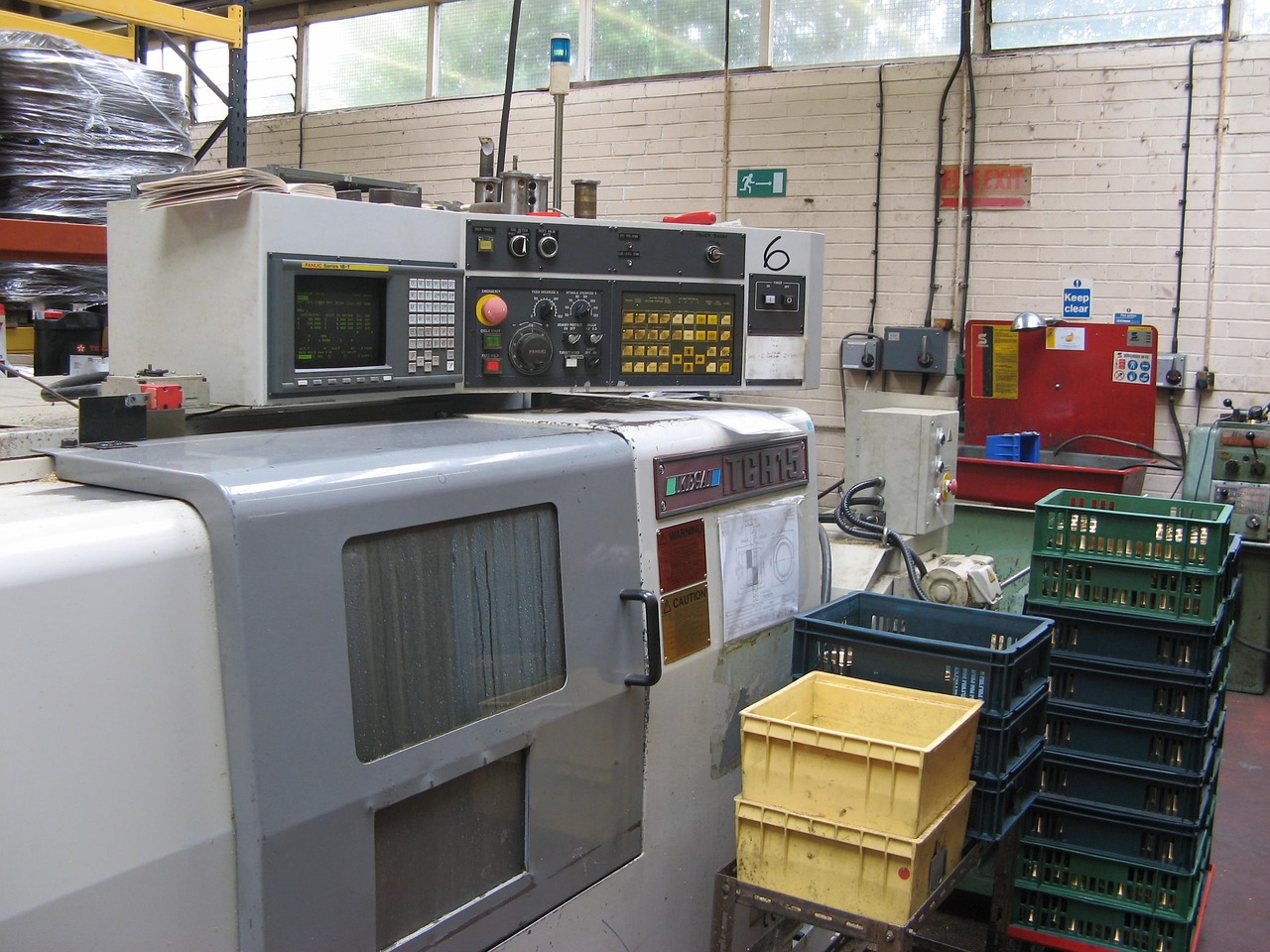
- Phased automation — inventory, quality control, production scheduling — is how traditional manufacturing businesses are cutting costs and recovering margin.
- Workers are retrained for higher-value roles, not laid off. Employee satisfaction improves alongside efficiency.
- The audit comes first. You can't automate your way out of a problem you haven't mapped yet.
Key Takeaways
- The highest-impact automation targets in manufacturing are inventory management, quality control, and production scheduling — in that order.
- Automation doesn't require a full-facility overhaul. Starting with one high-cost pain point delivers fast ROI that funds the next phase.
- No layoffs are required — workers shift into higher-value analytical and coordination roles.
- Digital transformation doesn't mean replacing people with machines. It means giving people tools that let them focus on what they do best.
When a precision parts manufacturing company was producing consistent revenue but watching profit margins compress year after year, the problem wasn't the product — it was the process. Labor costs rising, manual workflows creating bottlenecks, customer demands for faster turnaround running into structural limits. The answer wasn't a new product line. It was systematizing what was already working. This is the kind of AI modernization strategy work SyncDS does for manufacturing operations. For practical help, explore our business and digital consulting.
Where does a traditional manufacturing business start with automation?
With an audit — not with technology. The highest-ROI automation targets are almost always inventory management, quality control, and production scheduling. In that order.
A comprehensive audit of a typical precision manufacturing operation reveals three consistent pain points:
- Manual inventory tracking leads to stockouts and overordering, tying up significant capital in excess stock
- Paper-based quality control creates multi-day delays in identifying defects
- Manual production scheduling leaves expensive equipment idle for substantial portions of each shift
What does Phase 1 — inventory automation — actually look like?
Cloud-based inventory management systems with IoT sensors replace manual tracking with real-time data. Stockouts become near-impossible. Overordering stops tying up capital. The system predicts demand based on historical patterns rather than gut instinct.
The first win comes from implementation speed — inventory cost reductions appear in the first year, and the data generated in Phase 1 directly informs the quality control improvements in Phase 2.
How does AI improve quality control in manufacturing?
Tablet-based quality control software integrated with computer vision cuts defect identification from days to minutes — and the system learns to flag potential defects before they become production problems.
Replacing paper checklists with integrated digital quality systems changes the economics of defect detection. What used to take days to surface takes minutes. And AI vision systems don't just catch defects — they identify patterns that predict failure before it happens, giving quality teams the data to intervene upstream.
Every manufacturing operation has a different bleeding point. The first step to knowing where automation will have the most impact in yours is understanding where you actually stand.
What happens to machine utilization when AI handles production scheduling?
Idle machine time drops substantially. AI scheduling optimizes across all variables — active orders, capacity constraints, lead times, maintenance windows — in a way that manual scheduling can't match at scale.
The math is direct: reducing idle machine time effectively adds production capacity without buying new equipment. The capital that would have gone toward expansion goes toward margin instead.
Does automation lead to manufacturing job losses?
Not in a well-planned rollout. Quality inspectors become quality analysts. Inventory clerks become supply chain coordinators. The work shifts up the value chain, not out the door.
Employee satisfaction typically increases through this transition — less time spent on tedious data entry and manual tracking, more time spent on the analytical and relational work that actually requires human judgment. Digital transformation doesn't mean replacing people with machines. It means giving people tools that let them focus on what they do best.
What does a full manufacturing automation rollout actually deliver?
Businesses that complete all three phases — inventory, quality, scheduling — typically see:
- Meaningful increases in profit margins within 18 months
- Significant reductions in defect rates through early detection
- Improved on-time delivery performance as scheduling becomes data-driven
- Lower inventory carrying costs as demand forecasting replaces guesswork
- Higher employee satisfaction as roles shift toward higher-value work
How long does digital transformation take for a manufacturing business?
A full three-phase transformation — inventory, quality control, and production scheduling — typically takes 12–18 months to implement completely. Most operations see initial ROI within 3–6 months of starting Phase 1.
Will automation lead to layoffs?
Not in a well-planned rollout. Workers shift into higher-value analytical and coordination roles. Employee satisfaction typically improves as repetitive manual tasks are systematized.
Where should a manufacturing business start with automation?
Start with a comprehensive audit to identify pain points. The highest-impact areas are almost always inventory management, quality control, and production scheduling — in that order.
Is automation affordable for small manufacturing businesses?
Cloud-based solutions and IoT sensors have made automation accessible to operations of all sizes. Starting with one high-impact area delivers ROI that funds subsequent phases.
What's the biggest risk in manufacturing automation?
Moving too fast without mapping workflows first. The audit is the foundation. Automating a broken process makes it a faster broken process.
Automation isn't just for enterprise manufacturers. Whether you're running a 10-person shop or a 200-person operation, the question is the same: where are you bleeding time and margin, and what can be systematized?